Web Programming – How Websites and Modern Web Applications Are Created

Web programming is the process of developing functional web pages, websites, and applications that we use every day. From simple business websites and blogs to e-commerce stores, complex information systems, and online platforms, every solution is built using a combination of programming languages, technologies, databases, and development methodologies.

When you open a web page, log in to a user account, search for products, or make a purchase online, a series of programming operations takes place behind the scenes. Some of these operations are executed directly in your web browser, while others run on a server, where requests are processed, data is validated, and communication with databases takes place.

For this reason, web programming is much more than simply writing code. It involves understanding how different parts of a system work together, how they exchange data, and how individual components are combined to build reliable and user-friendly web applications.

In this guide, you will learn the fundamental principles of web programming, the most important programming languages and development technologies, the difference between frontend and backend development, and the process of building a web application from the initial idea to a fully functional product.
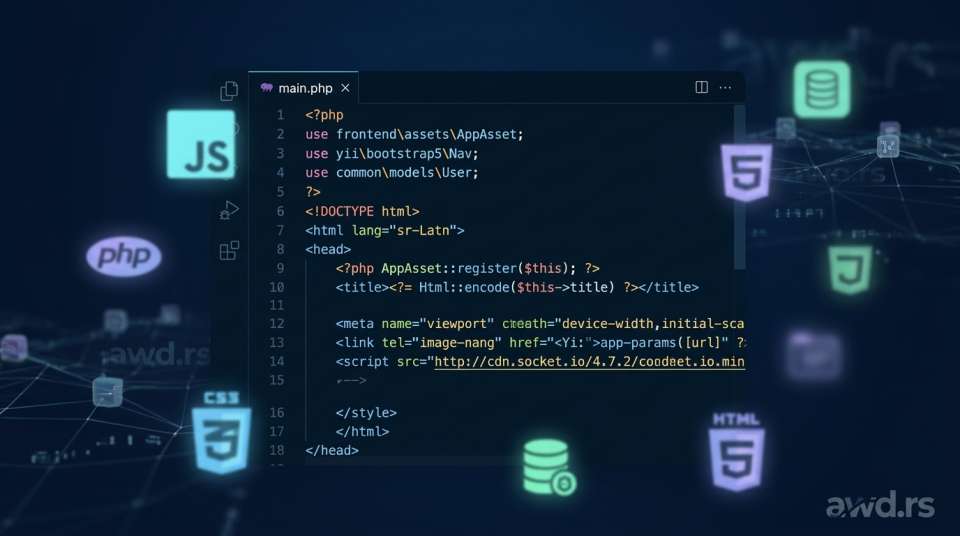
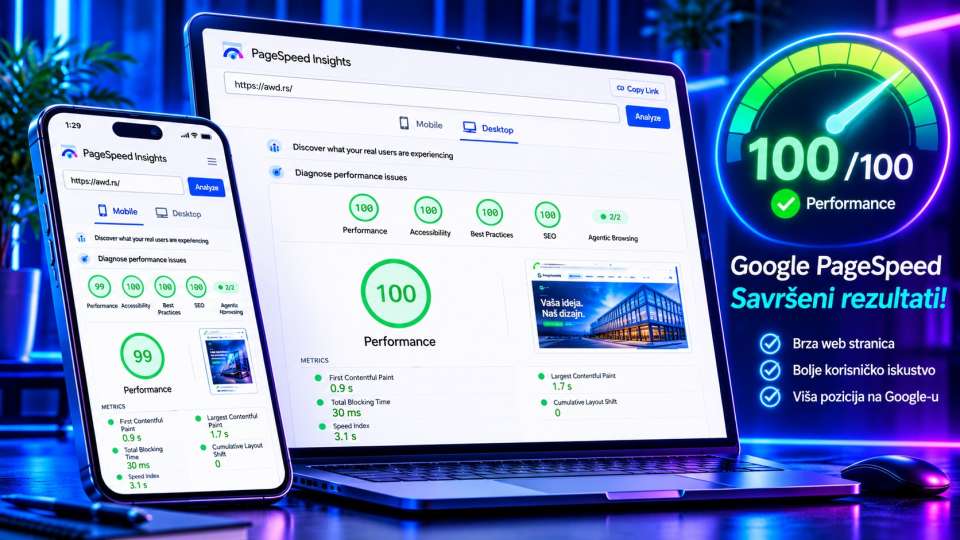
Web Programming

What is Web Programming?

Web programming is a branch of software development focused on creating and maintaining the functionality of websites and web applications. It includes user interface programming, server-side data processing, database integration, communication with external services, and the implementation of various business and user-oriented features.

Simply put, web programming allows a website to be more than just a collection of text and images. It enables a website to respond to user actions and perform specific tasks.

For example, when a user submits a contact form, the web application must validate the entered data, process the request, and forward it to the appropriate destination. When a customer places an order, the system must record the purchase, check product availability, store the necessary information, and allow further order management.

All of these functions are made possible through various programming languages and technologies that work together to form a complete web application.

How Does Web Programming Work?

o understand how a web application is created, it is useful to first understand the basic communication process between a web browser and a server.

When a user visits a webpage, their browser sends a request to a server. The server processes that request, accesses a database or another service if necessary, and then returns a response that the browser displays to the user.

Several components are involved in this process:

  • User Interface – the part of the application that users see and interact with.
  • Frontend – the technologies responsible for displaying content and enabling user interaction within the browser.
  • Backend – the server-side component that processes requests and executes application logic.
  • Database – a system used to store, organize, and retrieve information.
  • API – a mechanism that enables communication between different parts of an application and other software systems.

These components are not always organized in the same way. The architecture depends on the purpose, size, and complexity of the project.

Frontend Development – The Part of a Website Users See

Frontend development involves creating the visual and interactive parts of a website or web application. These are the elements that users see on their screens and interact with directly, including navigation menus, text, images, buttons, forms, menus, and various functional components.

The foundation of frontend development consists of HTML, CSS, and JavaScript.

HTML defines the structure and meaning of a webpage's content. CSS controls the appearance, layout, colors, typography, and responsiveness across different screen sizes. JavaScript enables interactivity and dynamic behavior within the page.

Modern frontend development also includes the use of libraries and frameworks such as React, Vue, and Angular. These technologies simplify the development of complex user interfaces and help organize larger web applications.

A good frontend is not only visually appealing. It should also be clear, fast, accessible, and easy to use across a wide range of devices.

You can learn more about this area in our guide on Frontend Development, where the technologies and principles of user interface development are explained in greater detail.

Backend Development – The Logic That Powers Web Applications

Backend development covers the part of a web application that runs on the server. Although users rarely see its code directly, the backend is responsible for processing data, managing user accounts, enforcing business rules, and enabling the advanced functionality of a website.

Whenever a user logs in, submits an order, updates profile information, or searches for data stored in a database, the backend processes the corresponding requests.

Server-side development is commonly built using languages and platforms such as PHP, Python, Java, C#, and JavaScript through Node.js. The choice depends on the project's requirements, existing infrastructure, required functionality, and the expertise of the development team.

Backend development also includes working with databases, APIs, authentication, authorization, and various security mechanisms.

If you would like to explore this area in greater detail, take a look at our Backend Web Development guide.

Full Stack Development – Connecting Frontend and Backend

Full Stack development involves working on both the frontend and backend parts of a web application. A Full Stack developer understands how to build user interfaces as well as how server-side logic, databases, and communication between different system components work.

This does not mean that every Full Stack developer must have the same level of expertise in every technology. In practice, knowledge and experience vary, but it is important to understand how the individual parts of an application work together.

This approach is particularly useful for developing small to medium-sized projects, where a single developer or a small team can work on a larger portion of the system.

Which Programming Languages Are Used for Web Development?

A variety of programming languages are used to develop websites and web applications, each with its own purpose and characteristics. There is no single language that is the best choice for every project. The right technology depends on what the application is intended to do, how complex it is, and how it will be developed and maintained over time.

HTML – The Structure of a Web Page

HTML (HyperText Markup Language) is a markup language used to define the structure and meaning of content on a web page. It is used to organize headings, paragraphs, lists, images, links, tables, and forms.

Although HTML is not a programming language in the traditional sense, it is an essential foundation of web development.

CSS – Appearance and Layout

CSS (Cascading Style Sheets) is used to define the visual presentation of a web page. It controls colors, fonts, dimensions, spacing, positioning, and the overall layout of elements.

Modern CSS makes it possible to create responsive websites that automatically adapt to desktops, tablets, and mobile devices.

JavaScript – Interactivity and Dynamic Functionality

JavaScript is a programming language that enables functionality to run directly within a web browser. It is used for interactive menus, form validation, dynamic content updates, and communication with servers.

Today, JavaScript is also widely used on the server side, most commonly through the Node.js runtime environment, making it an important technology in both frontend and backend development.

PHP – Server-Side Development

PHP is a programming language widely used for developing websites, dynamic web pages, and web applications. It enables request processing, database interaction, session management, and the generation of dynamic content based on data.

It is particularly popular for content management systems, business applications, and custom web solutions.

Python, Java, and Other Programming Languages

Python is commonly used for web application development, API services, automation, and data processing. Java is widely used in large-scale enterprise systems and server-side applications, while C# is frequently used within the .NET ecosystem.

In addition to these languages, many other technologies are available and may be used depending on the specific requirements of a project.

Frameworks and Libraries in Web Development

In addition to programming languages, modern web development relies heavily on frameworks and libraries. These tools provide developers with pre-built functionality, application structure, and established conventions for organizing code and building software more efficiently.

On the frontend, popular technologies include React, Angular, and Vue, while backend development commonly uses frameworks such as Laravel, Symfony, Yii, Django, Express, and others.

A framework does not replace knowledge of a programming language. Instead, its purpose is to simplify development, promote better code organization, and make it easier to build and maintain complex applications.

Choosing the right framework depends on the specific requirements of a project, including performance, security, maintainability, scalability, and long-term development goals.

Databases and APIs – Connecting Different Parts of a Web Application

Most dynamic websites and web applications use databases to store information. This may include data about users, products, orders, articles, comments, settings, and other elements of the system.

Relational database management systems such as MySQL, PostgreSQL, and MariaDB are commonly used to organize, store, and manage relationships between data, while NoSQL databases are used in certain projects that require different data structures and scalability approaches.

An API (Application Programming Interface) enables communication between different applications and their components. For example, a frontend application can send a request to the backend through an API, and the backend can then process the data and return a response in the appropriate format.

API integrations are also used to connect websites and applications with external services, payment systems, mapping platforms, third-party applications, and other software solutions.

Security of Websites and Web Applications

Security is a critical aspect of every serious web project. Applications that process personal data, provide user authentication, or store business information must be designed and developed to minimize the risk of unauthorized access and misuse.

Developers need to pay close attention to proper user input validation, password protection, session management, and access control mechanisms.

Among the most common security threats are SQL injection, Cross-Site Scripting (XSS), and Cross-Site Request Forgery (CSRF) attacks. Effective protection requires a combination of secure coding practices, proper server configuration, regular updates, and continuous application testing.

Security should not be treated as an additional feature implemented after a website has been completed. Instead, it should be an integral part of the development process from the very beginning.

Performance, Testing, and SEO in Web Development

The quality of a web application is not determined solely by the number of features it offers. Its loading speed, reliability, and ease of use are equally important factors.

Performance optimization may include reducing the size of resources, optimizing images, improving database queries, implementing caching mechanisms, and organizing code more efficiently.

Testing helps identify issues before an application reaches end users. Depending on the project, this may include functional testing, compatibility testing, security testing, and performance testing.

SEO (Search Engine Optimization) is also closely connected to web development. A website's technical structure, loading speed, mobile responsiveness, content accessibility, and proper HTML organization can all influence how easily search engines discover, crawl, and understand its pages.

For this reason, technical SEO should be considered during the planning and development stages of a website rather than being treated as an afterthought once the site has already been launched.

What Does the Web Application Development Process Look Like?

The development of a web application typically goes through several interconnected phases. The scope of these phases depends on the size and complexity of the project, but the process most commonly follows these steps:

  1. Planning and Requirements Analysis – defining the purpose of the application, its target users, required features, and technical requirements.

  2. System Design and Architecture – planning the content structure, user flows, database design, and communication between different application components.

  3. Frontend Development – building the user interface and programming the elements with which users interact.

  4. Backend Development – implementing server-side logic, request processing, business rules, and database integration.

  5. Integration and Testing – connecting system components and verifying that everything functions as expected.

  6. Deployment and Maintenance – publishing the application to a server, monitoring its operation, and implementing necessary improvements and updates.

These phases are not always strictly separated. In practice, development often takes place through multiple iterations, with continuous testing and refinement of individual features throughout the entire project lifecycle.

How to Start Learning Web Programming

If you are just entering the world of web programming, the most important thing is not to try to learn every technology at once. It is far more effective to first understand the fundamentals and then gradually build your knowledge through practical projects.

A good learning path might look like this:

  • Learn HTML and understand how web page content is structured.
  • Master CSS and learn how to create visual designs and responsive layouts.
  • Get familiar with JavaScript and the basic principles of programming.
  • Build a few simple web pages and add interactive features to them.
  • Learn the basics of server-side programming and working with databases.
  • Understand how the frontend and backend communicate through APIs.
  • Gradually move on to frameworks and more advanced projects.

Practical experience is especially important. Instead of only reading about technologies, try building a small project, such as a contact form, a simple blog, a product catalog, or a data management application.

This approach will help you better understand how the different parts of a web application work together and why specific technologies are used for particular tasks.

Conclusion – Web Programming as a Combination of Different Technologies

Web programming involves much more than simply writing code. It is a process that brings together user interface design, programming languages, server-side logic, databases, security, and optimization to create functional and reliable web applications.

Understanding the fundamentals of both frontend and backend development provides a solid starting point for anyone interested in building websites and web applications. Through continued learning, hands-on practice, and familiarity with development tools, it is possible to progress from creating simple web pages to developing complex digital systems.

Explore our web development guides and discover the technologies that form the foundation of the modern Internet.